

Rashes are a common skin concern, and most people experience them at some point in their lives. They can look like redness, bumps, blisters, or patches of irritated skin. Most of the time, rashes are mild and temporary. They are commonly triggered by things like sweat, rubbing, or using a new soap. But not all rashes are safe. When something seems like irritation, it could be an indication of a medical issue that needs treatment. It’s important to know when to keep an eye on a rash and when to get professional help to protect your health.
Everyday Causes of Rashes
You don’t always have to worry about rashes. A lot of them go away on their own once the cause is removed. Some of the most common everyday triggers include:
- Contact dermatitis: A rash that happens when skin comes into contact with something that irritates it, such as detergents, fragrances, or certain metals like nickel.
- Heat rash: This is common in hot, humid weather when sweat ducts become blocked, causing small, itchy red bumps.
- Allergic reactions: Rashes can happen after eating certain foods, medications, or insect stings. They can range from modest hives to more widespread inflammation.
- Friction and sweat: Wearing tight clothes, working out, or being in water for a long time can make your skin red and irritated.
These types of rashes are usually not serious and can be treated at home with gentle skincare, staying away from the thing that caused them, and sometimes over-the-counter remedies.
Signs that your rash might be worse
Mild rashes are common, but some symptoms can point to something that you need to see a doctor for. Pay attention to the following warning signs:
- Spreading quickly: A rash that grows larger or spreads rapidly could be a sign of an infection or an allergic reaction.
- Severe itching or pain: If the pain or itching is making it hard to sleep or do everyday things, it’s worth getting checked.
- Blisters, open sores, or pus: These can be signs of infection or a more serious condition than irritation.
- Systemic symptoms: If you have a rash and also have a fever, fatigue, swollen lymph nodes, or joint pain, the rash may be a sign of something more serious.
- Persistent or recurring rash: A rash that lasts for weeks, keeps coming back, or gets worse over time shouldn't be ignored.
Conditions That Can Be Mistaken for Irritation
Some medical problems begin with a rash that appears to be a typical irritation. Recognizing these can help ensure timely treatment:
- Eczema (Atopic Dermatitis): Usually causes dry, itchy patches that flare up and fade, but rarely go away completely without proper care.
- Psoriasis: Looks like thick, scaly spots that may look like irritation but are actually caused by an autoimmune disease.
- Fungal infections: Ringworm and yeast infections may appear as red, itchy, or scaly patches that spread without treatment.
- Shingles: A painful, blistering rash that follows nerve pathways and is commonly mistaken for irritation at first.
- Allergic reactions: Hives or swelling from severe allergies can sometimes look like simple skin irritation, but they may require urgent medical attention.
When to Seek Medical Help
It can be difficult to tell whether a rash is just a minor problem or a sign of something more. As a general rule, if the rash is painful, spreading, blistering, or not improving after a week or two of basic care, it’s best to consult a healthcare professional. Individuals with weakened immune systems, children, or the elderly should be cautious and seek medical advice as soon as possible.
Taking Care of Your Skin at Home
While waiting for a rash to improve—or before seeing a doctor—you can take steps to soothe your skin:
- Avoid scratching, which can worsen irritation and increase infection risk.
- Use moisturizers and cleansers that are gentle and fragrance-free.
- Wear loose, breathable clothing to reduce friction and sweating.
- Keep the area clean and dry.
- Track any changes, such as new medications, foods, or products that might have triggered the reaction.
Final Thoughts
Most rashes are harmless and fade with time, but you shouldn’t blindly ignore any change in your skin as “just irritation.” Some rashes can be the first signs of medical problems that require diagnosis and treatment. By paying attention to the appearance of your rash, how it feels, and whether it improves or worsens, you can better determine when it’s safe to wait it out and when it’s time to seek medical advice. Taking your skin seriously is not only about comfort—it’s also about safeguarding your overall health.
Not sure if your rash is just irritation or something more serious? We invite you to schedule a complimentary appointment with Meira Dermatology today for an expert evaluation and peace of mind.

Hormones influence nearly every part of the body, including the skin. Most people think of hormonal skin changes as teenage acne yet hormone fluctuations can impact the skin at all ages. These internal changes – whether it’s breakouts and dryness or increased sensitivity and symptoms of aging – sometimes manifest on the skin long before individuals know what’s causing them. Understanding the connection between hormones and skin health can help explain why certain skin conditions develop and why they sometimes seem to change unexpectedly over time. Hormones and Teenage Skin During puberty, the body produces higher levels of hormones called androgens. These hormones stimulate the oil glands, which increases sebum production. Excess oil can clog pores and lead to acne breakouts, blackheads, and inflammation. This is one reason why acne treatment becomes especially common during the teenage years. Hormonal acne usually appears on the forehead, nose, and chin, and it can range from minor breakout to excruciating cystic acne. In some cases, untreated acne may also cause acne scars and uneven skin texture. Regular skin-care routines and early treatment for persistent acne can help support healthier skin during this time. Adult Hormones and Unexpected Breakouts Many people

What You Need to Know About Skin Cancer Detection in Tampa Bay Florida’s sunshine is part of what makes living in the Tampa Bay area so great—but with that sunshine comes a higher risk of skin cancer. At Meira Dermatology in Largo, FL, we see patients from Clearwater, Belleair, Seminole, and throughout the region who are concerned about changes in their skin. Whether it’s a new mole or a suspicious spot that won’t heal, early detection is critical. Dr. Holly Pohler, APRN, DCNP, leads our dermatology team, which is excellent at finding and treating all kinds of skin cancer. We assist our patients stay safe and proactive about their skin health by giving them full-body skin inspections, biopsies, and information. Why Is Skin Cancer So Common in Florida? Florida residents are exposed to intense UV radiation year-round, whether from long days at the beach, outdoor sports, or everyday sun exposure while driving. This increases the lifetime risk of developing: Basal Cell Carcinoma (BCC) – The most frequently diagnosed skin cancer. Often appears as a pearly bump or red patch. Squamous Cell Carcinoma (SCC) – Can appear as a scaly or crusted lesion and may grow deeper if untreated. Melanoma
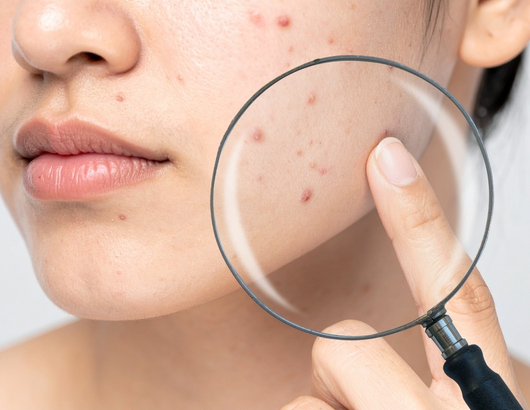
The cost of dermatology treatments in Florida can vary widely depending on the type of service, the complexity of the condition, and whether the treatment is considered medical or cosmetic. Patients who want to plan ahead can use these cost ranges to help them budget and make smart choices regarding their care. Skin Cancer Screenings and Treatments Screenings for skin cancer are a vital aspect of preventative care, especially in a sunny place like Florida. A full-body skin exam generally costs between $100 and $200 without insurance. Many insurance plans cover annual screenings, particularly for individuals at higher risk. If a suspicious lesion is found, additional procedures such as biopsies or surgical removal may be necessary. Treatment costs can vary significantly depending on the type and stage of skin cancer. Minor procedures may cost a few hundred dollars, while more advanced treatments can reach several thousand dollars. Medical Dermatology Costs Medical dermatology usually involves diagnosing and treating skin problems like acne, eczema, psoriasis, rosacea, and skin infections. These visits are often covered, at least partially, by health insurance if they are considered medically necessary. An initial consultation with a dermatologist in Florida usually ranges from $100 to $250
Don’t wait until it’s too late. Annual skin exams are essential — and possibly lifesaving.
Meira Dermatology — Providing Expert Skin Cancer Screenings to Largo, Clearwater, Seminole, Belleair, and All of Tampa Bay