
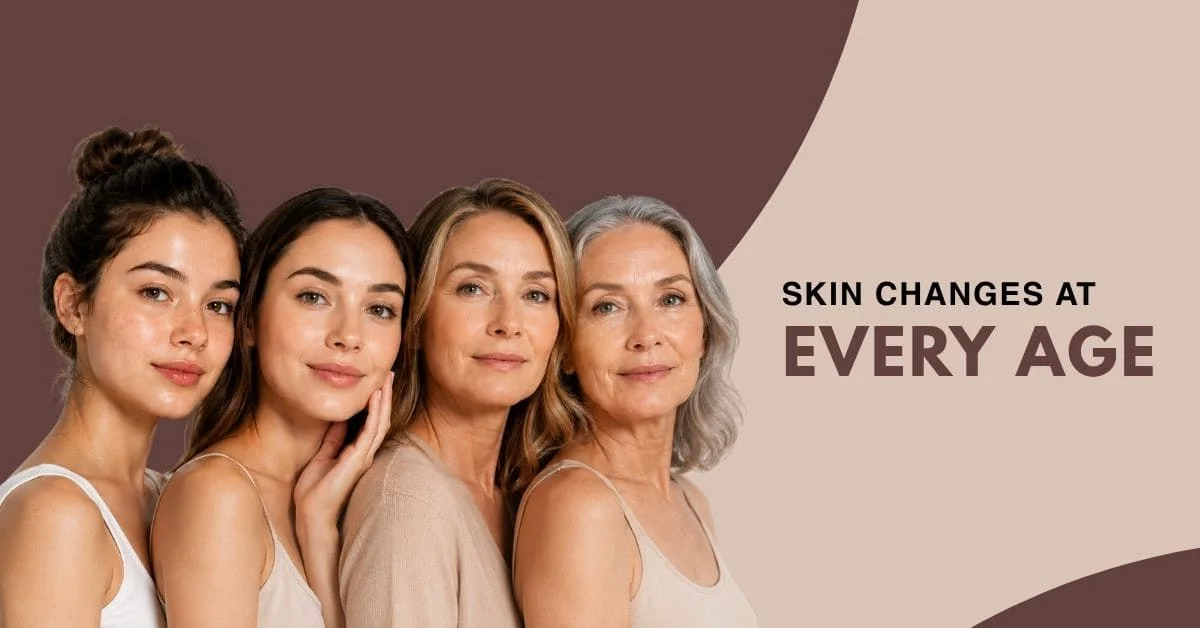
Hormones influence nearly every part of the body, including the skin. Most people think of hormonal skin changes as teenage acne yet hormone fluctuations can impact the skin at all ages. These internal changes – whether it’s breakouts and dryness or increased sensitivity and symptoms of aging – sometimes manifest on the skin long before individuals know what’s causing them. Understanding the connection between hormones and skin health can help explain why certain skin conditions develop and why they sometimes seem to change unexpectedly over time. Hormones and Teenage Skin During puberty, the body produces higher levels of hormones called androgens. These hormones stimulate the oil glands, which increases sebum production. Excess oil can clog pores and lead to acne breakouts, blackheads, and inflammation. This is one reason why acne treatment becomes especially common during the teenage years. Hormonal acne usually appears on the forehead, nose, and chin, and it can range from minor breakout to excruciating cystic acne. In some cases, untreated acne may also cause acne scars and uneven skin texture. Regular skin-care routines and early treatment for persistent acne can help support healthier skin during this time. Adult Hormones and Unexpected Breakouts Many people

What You Need to Know About Skin Cancer Detection in Tampa Bay Florida’s sunshine is part of what makes living in the Tampa Bay area so great—but with that sunshine comes a higher risk of skin cancer. At Meira Dermatology in Largo, FL, we see patients from Clearwater, Belleair, Seminole, and throughout the region who are concerned about changes in their skin. Whether it’s a new mole or a suspicious spot that won’t heal, early detection is critical. Dr. Holly Pohler, APRN, DCNP, leads our dermatology team, which is excellent at finding and treating all kinds of skin cancer. We assist our patients stay safe and proactive about their skin health by giving them full-body skin inspections, biopsies, and information. Why Is Skin Cancer So Common in Florida? Florida residents are exposed to intense UV radiation year-round, whether from long days at the beach, outdoor sports, or everyday sun exposure while driving. This increases the lifetime risk of developing: Basal Cell Carcinoma (BCC) – The most frequently diagnosed skin cancer. Often appears as a pearly bump or red patch. Squamous Cell Carcinoma (SCC) – Can appear as a scaly or crusted lesion and may grow deeper if untreated. Melanoma
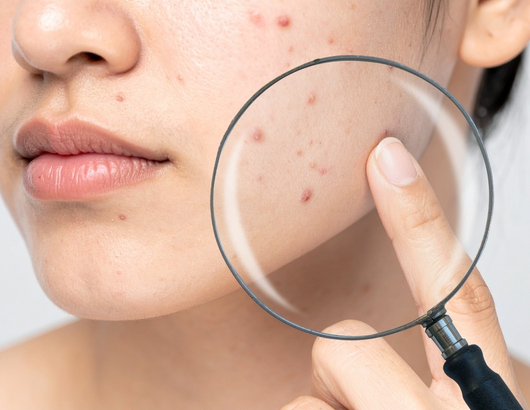
The cost of dermatology treatments in Florida can vary widely depending on the type of service, the complexity of the condition, and whether the treatment is considered medical or cosmetic. Patients who want to plan ahead can use these cost ranges to help them budget and make smart choices regarding their care. Skin Cancer Screenings and Treatments Screenings for skin cancer are a vital aspect of preventative care, especially in a sunny place like Florida. A full-body skin exam generally costs between $100 and $200 without insurance. Many insurance plans cover annual screenings, particularly for individuals at higher risk. If a suspicious lesion is found, additional procedures such as biopsies or surgical removal may be necessary. Treatment costs can vary significantly depending on the type and stage of skin cancer. Minor procedures may cost a few hundred dollars, while more advanced treatments can reach several thousand dollars. Medical Dermatology Costs Medical dermatology usually involves diagnosing and treating skin problems like acne, eczema, psoriasis, rosacea, and skin infections. These visits are often covered, at least partially, by health insurance if they are considered medically necessary. An initial consultation with a dermatologist in Florida usually ranges from $100 to $250

Trusted Dermatologic Care for Patients Across the Tampa Bay Area. At Meira Dermatology, located in the heart of Largo, Florida, we care for patients from Clearwater, Seminole, Belleair, and throughout the Tampa Bay area who are seeking trusted, results-driven skin care. Led by Dr. Holly Pohler, APRN, DCNP, a board-certified dermatology expert with over a decade of experience, our team provides compassionate, comprehensive treatment plans for a wide range of medical and cosmetic skin concerns. Below are the top 5 skin conditions we treat at our practice, along with how we approach each diagnosis with precision and personalized care. Living in the Sunshine State: Protecting Your Skin with Meira Dermatology 1. Acne Acne is one of the most common reasons patients seek care from a dermatologist. Whether it’s teenage breakouts or stubborn adult acne, we treat all types from blackheads and whiteheads to cystic acne. At Meira Dermatology, we develop a personalized plan for each individual that may include: Topical prescriptions Oral medications Lifestyle & dietary advice In-office procedures like chemical peels or microneedling Local Tip: The heat and humidity in Tampa Bay can worsen acne, so we also educate patients on Florida-friendly skincare routines. 2. Eczema (Atopic Dermatitis)
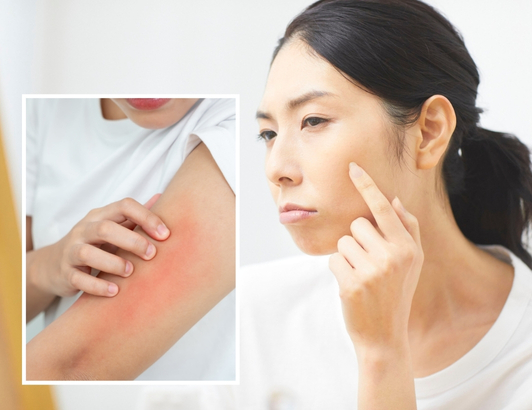
“Sensitive skin” is a term commonly used in skincare conversations, but its meaning is often unclear. Some people say their skin is sensitive because it reacts quickly to changes in products or the environment, while others experience persistent discomfort such as redness, burning, or irritation. This raises an important question: is sensitive skin a real medical condition, or simply a general label for various skin reactions? The answer lies somewhere in between. Sensitive skin is not always a formal diagnosis, but it is a valid and widely recognized skin concern in medical dermatology. What Does Sensitive Skin Really Mean? Sensitive skin is skin that reacts more easily than normal to things that happen outside or inside the body. Some of these reactions may include stinging, burning, itching, redness, or dryness. Some people naturally have more reactive skin, but sensitivity can also develop over time due to changes in skin health. A board-certified dermatologist near me often looks beyond the surface symptoms to check for sensitive skin. Instead of treating it as a standalone condition, dermatologists aim to identify underlying causes that may be contributing to increased reactivity. Common Causes of Skin Sensitivity There are a number of things

The Best Non-Surgical Skin Rejuvenation Options in Largo, FL If you’re looking to refresh your skin without surgery or long recovery times, you’re not alone. At Meira Dermatology in Largo, FL, we proudly serve patients from Clearwater, Belleair, Seminole, and throughout the Tampa Bay area who want to restore their glow and treat skin imperfections naturally. At Meira Dermatology, under the expert care, we offer a variety of highly effective cosmetic treatments designed to improve skin texture, tone, and overall health—with little to no downtime. Why Non-Surgical Rejuvenation? While traditional cosmetic surgery has its place, many patients today are turning to minimally invasive treatments for faster results, less discomfort, and more natural-looking improvements. These treatments often use the body’s own healing processes, advanced injectables, or gentle stimulation techniques to refresh your appearance gradually—making improvements look both natural and lasting. Our most popular aesthetic treatments include: Microneedling (Collagen Induction Therapy) PRP (Platelet-Rich Plasma) Therapy Dermal Fillers Botox® Injections Sculptra® Booty Enhancement Under-Eye PRP These treatments can target a wide range of common skin concerns, such as Fine lines and wrinkles Acne scars and stretch marks Uneven skin tone or texture Volume loss in the face or body Dark circles Enlarged pores Skin laxity or sagging

Not every skin problem can be fixed with basic skin care routines or over-the-counter remedies. Mild irritation or brief breakouts may go away on their own, but if they keep happening or get worse, it could be a sign of a serious medical problem. To deal with these issues properly, you need to be very precise in your medical care, make rigorous diagnoses, and use treatments that are based on evidence and led by dermatology expertise. Medical dermatology focuses on understanding how internal health, environmental exposure, and genetics affect the skin. This approach is essential when skin concerns become chronic, recurring, or resistant to standard care. Why Some Skin Conditions Become Stubborn Stubborn skin concerns are rarely surface-level issues. Conditions such as chronic acne, eczema, psoriasis, rosacea, persistent rashes, and pigmentation disorders are often driven by inflammation, immune system dysfunction, hormonal changes, or underlying medical conditions. Without identifying these contributing factors, treatments may offer only temporary relief. A board certified dermatologist near me evaluates both visible symptoms and less obvious triggers, including lifestyle habits, medication use, and personal or family health history. This comprehensive approach helps explain why some skin problems don’t go away even with regular skin

Aging skin is something everyone experiences, but the visible changes—fine lines, wrinkles, sagging, and thinning—are only part of the story. Beneath the surface, a complex biological process is taking place, and at the center of it is collagen. Understanding how collagen loss affects the skin can help explain why aging looks the way it does and how dermatology works to keep skin healthy throughout time. What Is Collagen and Why Does It Matter? Collagen is the most abundant protein in the human body and a critical structural component of the skin. It acts like scaffolding, providing strength, firmness, and elasticity. Collagen, elastin, and hyaluronic acid all work together to keep skin smooth, strong, and hydrated. In healthy, youthful skin, collagen fibers are dense and well-organized. This makes it easier for skin to bounce back and stay wrinkle-free. But as we get older, our bodies naturally make less collagen, which starts in our mid-20s and causes the skin to become less firm and smooth over time. How Aging Affects Collagen Production As we become older, the body starts to break down collagen faster than it makes it. Fibroblast cells, which are responsible for making collagen, become less active over time.

Fine lines and sagging skin are among the most common concerns people experience as they get older. These changes happen gradually as the skin loses collagen, elastin, and natural moisture, these are the elements that are responsible for firmness and elasticity. Sun exposure, stress, genetics, and lifestyle habits also speed up this process, making the skin appear thinner, looser, and less youthful. There are so many treatments out there that a lot of people wonder which one is really best for making their skin look smoother and tighter. The truth is that no single treatment works for everyone. The best decision depends on the cause of aging, skin type, age, and the specific areas of concern. Below are the most commonly recommended options, how they work, and who may benefit from them. 1. Botox: Best for Expression-Related Fine Lines Botox is widely used to reduce lines caused by repeated facial expressions such as frowning, squinting, and raising the eyebrows. These “dynamic wrinkles” include crow’s feet, forehead lines, and frown lines. Botox works by relaxing the underlying muscles so the skin doesn’t fold or crease as deeply. It does not tighten sagging skin, but it softens fine lines and prevents them

