
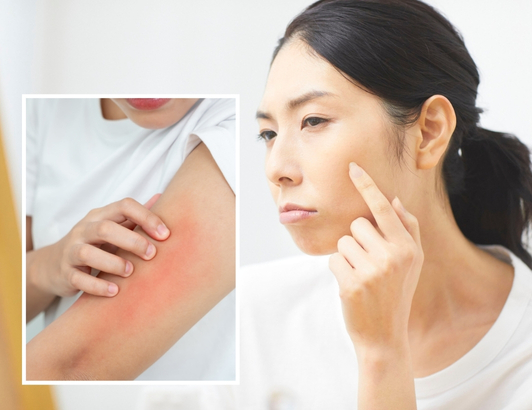
Rashes are a common skin concern, and most people experience them at some point in their lives. They can look like redness, bumps, blisters, or patches of irritated skin. Most of the time, rashes are mild and temporary. They are commonly triggered by things like sweat, rubbing, or using a new soap. But not all rashes are safe. When something seems like irritation, it could be an indication of a medical issue that needs treatment. It’s important to know when to keep an eye on a rash and when to get professional help to protect your health.
Everyday Causes of Rashes
You don’t always have to worry about rashes. A lot of them go away on their own once the cause is removed. Some of the most common everyday triggers include:
- Contact dermatitis: A rash that happens when skin comes into contact with something that irritates it, such as detergents, fragrances, or certain metals like nickel.
- Heat rash: This is common in hot, humid weather when sweat ducts become blocked, causing small, itchy red bumps.
- Allergic reactions: Rashes can happen after eating certain foods, medications, or insect stings. They can range from modest hives to more widespread inflammation.
- Friction and sweat: Wearing tight clothes, working out, or being in water for a long time can make your skin red and irritated.
These types of rashes are usually not serious and can be treated at home with gentle skincare, staying away from the thing that caused them, and sometimes over-the-counter remedies.
Signs that your rash might be worse
Mild rashes are common, but some symptoms can point to something that you need to see a doctor for. Pay attention to the following warning signs:
- Spreading quickly: A rash that grows larger or spreads rapidly could be a sign of an infection or an allergic reaction.
- Severe itching or pain: If the pain or itching is making it hard to sleep or do everyday things, it’s worth getting checked.
- Blisters, open sores, or pus: These can be signs of infection or a more serious condition than irritation.
- Systemic symptoms: If you have a rash and also have a fever, fatigue, swollen lymph nodes, or joint pain, the rash may be a sign of something more serious.
- Persistent or recurring rash: A rash that lasts for weeks, keeps coming back, or gets worse over time shouldn't be ignored.
Conditions That Can Be Mistaken for Irritation
Some medical problems begin with a rash that appears to be a typical irritation. Recognizing these can help ensure timely treatment:
- Eczema (Atopic Dermatitis): Usually causes dry, itchy patches that flare up and fade, but rarely go away completely without proper care.
- Psoriasis: Looks like thick, scaly spots that may look like irritation but are actually caused by an autoimmune disease.
- Fungal infections: Ringworm and yeast infections may appear as red, itchy, or scaly patches that spread without treatment.
- Shingles: A painful, blistering rash that follows nerve pathways and is commonly mistaken for irritation at first.
- Allergic reactions: Hives or swelling from severe allergies can sometimes look like simple skin irritation, but they may require urgent medical attention.
When to Seek Medical Help
It can be difficult to tell whether a rash is just a minor problem or a sign of something more. As a general rule, if the rash is painful, spreading, blistering, or not improving after a week or two of basic care, it’s best to consult a healthcare professional. Individuals with weakened immune systems, children, or the elderly should be cautious and seek medical advice as soon as possible.
Taking Care of Your Skin at Home
While waiting for a rash to improve—or before seeing a doctor—you can take steps to soothe your skin:
- Avoid scratching, which can worsen irritation and increase infection risk.
- Use moisturizers and cleansers that are gentle and fragrance-free.
- Wear loose, breathable clothing to reduce friction and sweating.
- Keep the area clean and dry.
- Track any changes, such as new medications, foods, or products that might have triggered the reaction.
Final Thoughts
Most rashes are harmless and fade with time, but you shouldn’t blindly ignore any change in your skin as “just irritation.” Some rashes can be the first signs of medical problems that require diagnosis and treatment. By paying attention to the appearance of your rash, how it feels, and whether it improves or worsens, you can better determine when it’s safe to wait it out and when it’s time to seek medical advice. Taking your skin seriously is not only about comfort—it’s also about safeguarding your overall health.
Not sure if your rash is just irritation or something more serious? We invite you to schedule a complimentary appointment with Meira Dermatology today for an expert evaluation and peace of mind.

“Sensitive skin” is a term commonly used in skincare conversations, but its meaning is often unclear. Some people say their skin is sensitive because it reacts quickly to changes in products or the environment, while others experience persistent discomfort such as redness, burning, or irritation. This raises an important question: is sensitive skin a real medical condition, or simply a general label for various skin reactions? The answer lies somewhere in between. Sensitive skin is not always a formal diagnosis, but it is a valid and widely recognized skin concern in medical dermatology. What Does Sensitive Skin Really Mean? Sensitive skin is skin that reacts more easily than normal to things that happen outside or inside the body. Some of these reactions may include stinging, burning, itching, redness, or dryness. Some people naturally have more reactive skin, but sensitivity can also develop over time due to changes in skin health. A board-certified dermatologist near me often looks beyond the surface symptoms to check for sensitive skin. Instead of treating it as a standalone condition, dermatologists aim to identify underlying causes that may be contributing to increased reactivity. Common Causes of Skin Sensitivity There are a number of things

The Best Non-Surgical Skin Rejuvenation Options in Largo, FL If you’re looking to refresh your skin without surgery or long recovery times, you’re not alone. At Meira Dermatology in Largo, FL, we proudly serve patients from Clearwater, Belleair, Seminole, and throughout the Tampa Bay area who want to restore their glow and treat skin imperfections naturally. At Meira Dermatology, under the expert care, we offer a variety of highly effective cosmetic treatments designed to improve skin texture, tone, and overall health—with little to no downtime. Why Non-Surgical Rejuvenation? While traditional cosmetic surgery has its place, many patients today are turning to minimally invasive treatments for faster results, less discomfort, and more natural-looking improvements. These treatments often use the body’s own healing processes, advanced injectables, or gentle stimulation techniques to refresh your appearance gradually—making improvements look both natural and lasting. Our most popular aesthetic treatments include: Microneedling (Collagen Induction Therapy) PRP (Platelet-Rich Plasma) Therapy Dermal Fillers Botox® Injections Sculptra® Booty Enhancement Under-Eye PRP These treatments can target a wide range of common skin concerns, such as Fine lines and wrinkles Acne scars and stretch marks Uneven skin tone or texture Volume loss in the face or body Dark circles Enlarged pores Skin laxity or sagging

Not every skin problem can be fixed with basic skin care routines or over-the-counter remedies. Mild irritation or brief breakouts may go away on their own, but if they keep happening or get worse, it could be a sign of a serious medical problem. To deal with these issues properly, you need to be very precise in your medical care, make rigorous diagnoses, and use treatments that are based on evidence and led by dermatology expertise. Medical dermatology focuses on understanding how internal health, environmental exposure, and genetics affect the skin. This approach is essential when skin concerns become chronic, recurring, or resistant to standard care. Why Some Skin Conditions Become Stubborn Stubborn skin concerns are rarely surface-level issues. Conditions such as chronic acne, eczema, psoriasis, rosacea, persistent rashes, and pigmentation disorders are often driven by inflammation, immune system dysfunction, hormonal changes, or underlying medical conditions. Without identifying these contributing factors, treatments may offer only temporary relief. A board certified dermatologist near me evaluates both visible symptoms and less obvious triggers, including lifestyle habits, medication use, and personal or family health history. This comprehensive approach helps explain why some skin problems don’t go away even with regular skin
Don’t wait until it’s too late. Annual skin exams are essential — and possibly lifesaving.
Meira Dermatology — Providing Expert Skin Cancer Screenings to Largo, Clearwater, Seminole, Belleair, and All of Tampa Bay