Welcome to Meira Dermatology – Our mission is to love people & help them realize their optimum health!

Fine lines and sagging skin are among the most common concerns people experience as they get older. These changes happen gradually as the skin loses collagen, elastin, and natural moisture, these are the elements that are responsible for firmness and elasticity. Sun exposure, stress, genetics, and lifestyle habits also speed up this process, making the skin appear thinner, looser, and less youthful. There are so many treatments out there that a lot of people wonder which one is really best for making their skin look smoother and tighter.

The truth is that no single treatment works for everyone. The best decision depends on the cause of aging, skin type, age, and the specific areas of concern. Below are the most commonly recommended options, how they work, and who may benefit from them.

1. Botox: Best for Expression-Related Fine Lines

Botox is widely used to reduce lines caused by repeated facial expressions such as frowning, squinting, and raising the eyebrows. These “dynamic wrinkles” include crow’s feet, forehead lines, and frown lines. Botox works by relaxing the underlying muscles so the skin doesn’t fold or crease as deeply. It does not tighten sagging skin, but it softens fine lines and prevents them from becoming deeper over time. People in their late 20s to 40s often turn to Botox for early signs of aging related to movement.

2. Dermal Fillers: Best for Volume Loss and Mild Sagging

Sagging often begins when facial fat pads shrink or shift downward with age. This creates hollowness in the cheeks, under-eyes, and jawline. Dermal fillers replace this lost volume and support the skin from beneath, making it look firmer and smoother. Fillers work best when the sagging isn’t too bad. They can soften deep folds, improve facial structure, and make wrinkles less noticeable by lifting the area.

3. Sculptra: Best for Long-Term Collagen Restoration

Sculptra is different from traditional fillers because it doesn’t provide immediate volume. Instead, it stimulates the skin’s natural collagen production over months. This makes it a good choice for people whose skin is getting thinner or sagging all over their face. Sculptra gives skin a more natural-looking boost in firmness and quality over time, especially for deeper wrinkles and gradual sagging.

4. Microneedling: Best for Fine Lines and Texture

Microneedling creates controlled micro-injuries in the skin, which triggers collagen and elastin production. This helps with fine wrinkles, crepey texture, and mild skin laxity over time. It is ideal for people beginning to notice early signs of aging or those wanting a treatment focused on skin quality. You can also use microneedling with platelet-rich plasma (PRP) to speed up healing and make collagen work better.

5. PRP Therapy: Best for Natural Rejuvenation

Platelet-rich plasma uses growth factors from your own blood to help cells heal and make collagen more flexible. PRP makes the skin look healthier and tighter by getting rid of fine wrinkles, dullness, and thinning skin. PRP alone doesn’t lift sagging skin very much, but it does make old tissue stronger and more alive.

6. Fibroblast Skin Tightening: Best for Mild Loose Skin

Fibroblast plasma therapy uses a small electrical arc to tighten the surface of the skin. This treatment can improve mild sagging on the eyelids, neck, and around the mouth. Collagen remodeling continues for several weeks, creating a subtle tightening effect without surgery.

7. Laser Resurfacing: Best for Deeper Lines and Sun Damage

Lasers can help with deeper wrinkles, rough texture, and moderate sagging by removing damaged outer layers of skin and encouraging new collagen formation. Patients with significant sun damage or deeper lines may benefit most from laser resurfacing, as it improves both texture and firmness.

8. Combination Treatments: Often the Most Effective Approach

In many cases, the best way to treat fine lines and sagging skin is through a combination of therapies. For example:

  • Botox softens expression lines
  • Fillers restore volume
  • Microneedling improves texture
  • PRP supports healing and collagen
  • Fibroblast or lasers tighten loose skin


A multi-layered approach often delivers the most natural and balanced improvement.

Final Thoughts

The best treatment for fine lines and sagging skin varies from person to person. While Botox smooths expression wrinkles, fillers address lost volume, and microneedling or PRP make your skin feel better and boost collagen. Laser resurfacing and fibroblast therapy help tighten loose skin. Choosing the right option requires understanding what type of aging is occurring and which method best targets those changes.

Share on facebook
Facebook
Share on twitter
Twitter
Share on linkedin
LinkedIn
Hormones
How Hormones Secretly Impact Your Skin at Every Age

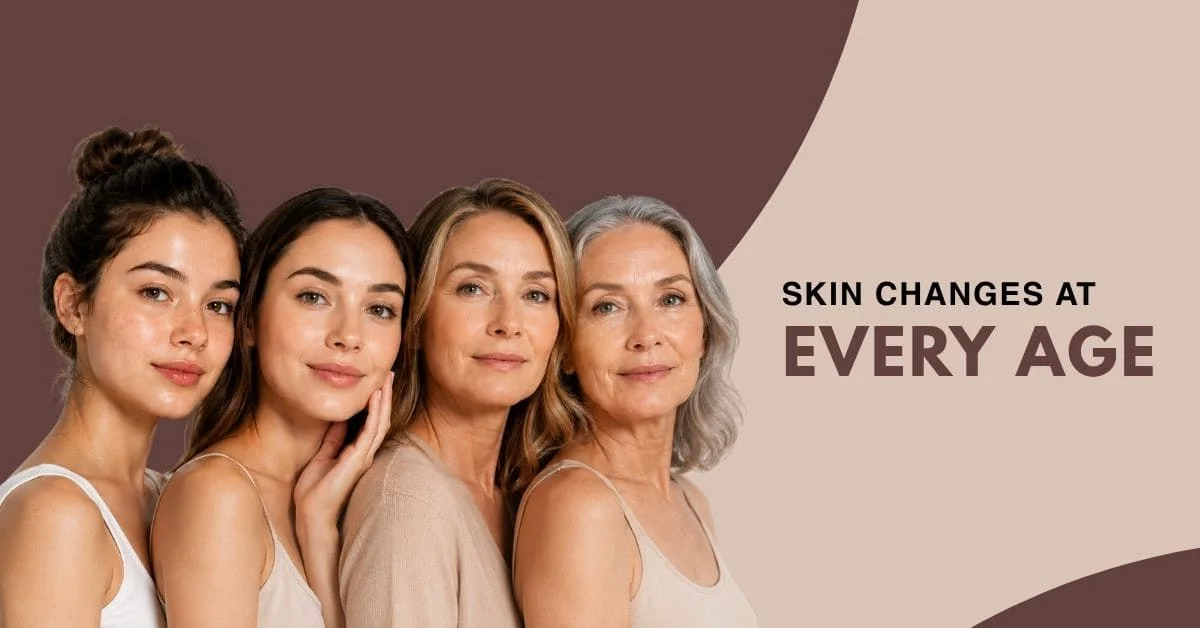
Hormones influence nearly every part of the body, including the skin. Most people think of hormonal skin changes as teenage acne yet hormone fluctuations can impact the skin at all ages. These internal changes – whether it’s breakouts and dryness or increased sensitivity and symptoms of aging – sometimes manifest on the skin long before individuals know what’s causing them.   Understanding the connection between hormones and skin health can help explain why certain skin conditions develop and why they sometimes seem to change unexpectedly over time. Hormones and Teenage Skin During puberty, the body produces higher levels of hormones called androgens. These hormones stimulate the oil glands, which increases sebum production. Excess oil can clog pores and lead to acne breakouts, blackheads, and inflammation.   This is one reason why acne treatment becomes especially common during the teenage years. Hormonal acne usually appears on the forehead, nose, and chin, and it can range from minor breakout to excruciating cystic acne. In some cases, untreated acne may also cause acne scars and uneven skin texture.   Regular skin-care routines and early treatment for persistent acne can help support healthier skin during this time. Adult Hormones and Unexpected Breakouts Many people

Read More
carcinoma
Is That Mole Safe? When to Worry About Changes in Shape, Size, or Color

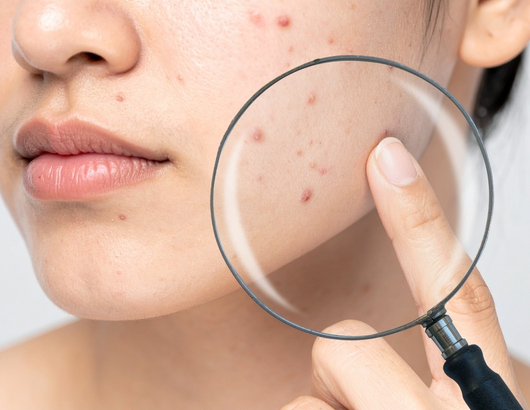
What You Need to Know About Skin Cancer Detection in Tampa Bay Florida’s sunshine is part of what makes living in the Tampa Bay area so great—but with that sunshine comes a higher risk of skin cancer. At Meira Dermatology in Largo, FL, we see patients from Clearwater, Belleair, Seminole, and throughout the region who are concerned about changes in their skin. Whether it’s a new mole or a suspicious spot that won’t heal, early detection is critical.   Dr. Holly Pohler, APRN, DCNP, leads our dermatology team, which is excellent at finding and treating all kinds of skin cancer. We assist our patients stay safe and proactive about their skin health by giving them full-body skin inspections, biopsies, and information.  Why Is Skin Cancer So Common in Florida? Florida residents are exposed to intense UV radiation year-round, whether from long days at the beach, outdoor sports, or everyday sun exposure while driving. This increases the lifetime risk of developing: Basal Cell Carcinoma (BCC) – The most frequently diagnosed skin cancer. Often appears as a pearly bump or red patch. Squamous Cell Carcinoma (SCC) – Can appear as a scaly or crusted lesion and may grow deeper if untreated. Melanoma
Read More
cost in florida
How Much Do Dermatology Treatments Cost in Florida?

The cost of dermatology treatments in Florida can vary widely depending on the type of service, the complexity of the condition, and whether the treatment is considered medical or cosmetic. Patients who want to plan ahead can use these cost ranges to help them budget and make smart choices regarding their care. Skin Cancer Screenings and Treatments Screenings for skin cancer are a vital aspect of preventative care, especially in a sunny place like Florida. A full-body skin exam generally costs between $100 and $200 without insurance. Many insurance plans cover annual screenings, particularly for individuals at higher risk.   If a suspicious lesion is found, additional procedures such as biopsies or surgical removal may be necessary. Treatment costs can vary significantly depending on the type and stage of skin cancer. Minor procedures may cost a few hundred dollars, while more advanced treatments can reach several thousand dollars. Medical Dermatology Costs Medical dermatology usually involves diagnosing and treating skin problems like acne, eczema, psoriasis, rosacea, and skin infections. These visits are often covered, at least partially, by health insurance if they are considered medically necessary.   An initial consultation with a dermatologist in Florida usually ranges from $100 to $250

Read More
Schedule Your Visit Today

If you or a loved one are dealing with one of these common skin concerns, don’t wait. Early intervention leads to better outcomes.

Or Start Messaging with Klara for fast, secure online scheduling
Meira Dermatology — Expert Skin Care You Can Trust in Largo and the Greater Tampa Bay Area