
Welcome to Meira Dermatology – Our mission is to love people & help them realize their optimum health!

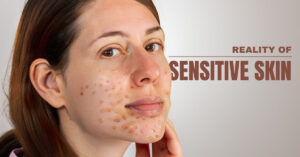
“Sensitive skin” is a term commonly used in skincare conversations, but its meaning is often unclear. Some people say their skin is sensitive because it reacts quickly to changes in products or the environment, while others experience persistent discomfort such as redness, burning, or irritation. This raises an important question: is sensitive skin a real medical condition, or simply a general label for various skin reactions?


The answer lies somewhere in between. Sensitive skin is not always a formal diagnosis, but it is a valid and widely recognized skin concern in medical dermatology.

What Does Sensitive Skin Really Mean?

Sensitive skin is skin that reacts more easily than normal to things that happen outside or inside the body. Some of these reactions may include stinging, burning, itching, redness, or dryness. Some people naturally have more reactive skin, but sensitivity can also develop over time due to changes in skin health.


A board-certified dermatologist near me often looks beyond the surface symptoms to check for sensitive skin. Instead of treating it as a standalone condition, dermatologists aim to identify underlying causes that may be contributing to increased reactivity.

Common Causes of Skin Sensitivity

There are a number of things that might make skin sensitive. One of the most important factors is a weakened skin barrier. The skin’s outermost layer protects it by keeping moisture in and irritants out. When this barrier is compromised, the skin becomes more vulnerable to environmental stressors such as pollution, weather changes, and harsh skincare products.


Other things that may have played a role are:

  • Chronic skin conditions like eczema, rosacea, or allergic dermatitis
  • Overuse of exfoliating or active skincare ingredients
  • Sun damage and environmental exposure
  • Hormonal fluctuations
  • Stress and lifestyle habits


In many cases, what people describe as sensitive skin may actually be an underlying dermatological condition that needs to be looked at properly.

Sensitive skin.

Sensitive Skin vs. Diagnosable Conditions

It is important to distinguish between general sensitivity and specific medical conditions. For example, rosacea can cause persistent redness and flushing, while contact dermatitis may lead to irritation after exposure to certain substances. Similarly, eczema often presents with dryness, itching, and inflammation.


Medical dermatology in Largo, FL focuses on identifying whether symptoms are caused by real sensitivity or a skin condition that can be diagnosed. It’s important to make this distinction because treatment approaches vary significantly depending on the cause.

How dermatologists deal with Sensitive Skin

The first step in taking care of sensitive skin is to find out what causes it and restoring the skin barrier. Dermatologists may suggest that you simplify your skincare routine, stay away from things that you know irritate your skin, and choose products that are gentle and non-fragranced.


Sometimes, specific treatments are needed to deal with inflammation or other underlying conditions. Dermatology doesn’t rely on trial and error; instead, it focuses on evidence-based care that is specific to each person’s skin needs.


A dermatology clinic in Largo, FL may also look at things like your surroundings and lifestyle that could be making your skin more sensitive. This comprehensive approach helps reduce flare-ups and improve overall skin resilience over time.

The Importance of Prevention and Skin Awareness

Preventing sensitivity is often just as important as treating it. Protecting your skin from the sun every day, drinking enough water, and not using too many harsh skincare products can all help keep your skin barrier healthy. Paying attention to how skin reacts to products or environmental changes can also help you figure out what might be causing your problems.


Regular skin evaluations are beneficial, especially for individuals experiencing persistent or worsening symptoms. Early assessment leads to a more accurate diagnosis and better long-term care.

Final Thoughts

Sensitive skin is not a myth, but it is not always a single, clearly defined condition either. It usually means that the skin’s protective barrier has been broken or that there is a problem underneath. To give the best care, you need to know the difference between typical skin sensitivity and medical skin disorders.


By focusing on accurate diagnosis, barrier repair, and individualized treatment, dermatology helps bring clarity to sensitive skin concerns and supports healthier, more balanced skin over time.

Share on facebook
Facebook
Share on twitter
Twitter
Share on linkedin
LinkedIn
Hormones
How Hormones Secretly Impact Your Skin at Every Age

Hormones influence nearly every part of the body, including the skin. Most people think of hormonal skin changes as teenage acne yet hormone fluctuations can impact the skin at all ages. These internal changes – whether it’s breakouts and dryness or increased sensitivity and symptoms of aging – sometimes manifest on the skin long before individuals know what’s causing them.   Understanding the connection between hormones and skin health can help explain why certain skin conditions develop and why they sometimes seem to change unexpectedly over time. Hormones and Teenage Skin During puberty, the body produces higher levels of hormones called androgens. These hormones stimulate the oil glands, which increases sebum production. Excess oil can clog pores and lead to acne breakouts, blackheads, and inflammation.   This is one reason why acne treatment becomes especially common during the teenage years. Hormonal acne usually appears on the forehead, nose, and chin, and it can range from minor breakout to excruciating cystic acne. In some cases, untreated acne may also cause acne scars and uneven skin texture.   Regular skin-care routines and early treatment for persistent acne can help support healthier skin during this time. Adult Hormones and Unexpected Breakouts Many people

Read More
carcinoma
Is That Mole Safe? When to Worry About Changes in Shape, Size, or Color

What You Need to Know About Skin Cancer Detection in Tampa Bay Florida’s sunshine is part of what makes living in the Tampa Bay area so great—but with that sunshine comes a higher risk of skin cancer. At Meira Dermatology in Largo, FL, we see patients from Clearwater, Belleair, Seminole, and throughout the region who are concerned about changes in their skin. Whether it’s a new mole or a suspicious spot that won’t heal, early detection is critical.   Dr. Holly Pohler, APRN, DCNP, leads our dermatology team, which is excellent at finding and treating all kinds of skin cancer. We assist our patients stay safe and proactive about their skin health by giving them full-body skin inspections, biopsies, and information.  Why Is Skin Cancer So Common in Florida? Florida residents are exposed to intense UV radiation year-round, whether from long days at the beach, outdoor sports, or everyday sun exposure while driving. This increases the lifetime risk of developing: Basal Cell Carcinoma (BCC) – The most frequently diagnosed skin cancer. Often appears as a pearly bump or red patch. Squamous Cell Carcinoma (SCC) – Can appear as a scaly or crusted lesion and may grow deeper if untreated. Melanoma
Read More
cost in florida
How Much Do Dermatology Treatments Cost in Florida?

The cost of dermatology treatments in Florida can vary widely depending on the type of service, the complexity of the condition, and whether the treatment is considered medical or cosmetic. Patients who want to plan ahead can use these cost ranges to help them budget and make smart choices regarding their care. Skin Cancer Screenings and Treatments Screenings for skin cancer are a vital aspect of preventative care, especially in a sunny place like Florida. A full-body skin exam generally costs between $100 and $200 without insurance. Many insurance plans cover annual screenings, particularly for individuals at higher risk.   If a suspicious lesion is found, additional procedures such as biopsies or surgical removal may be necessary. Treatment costs can vary significantly depending on the type and stage of skin cancer. Minor procedures may cost a few hundred dollars, while more advanced treatments can reach several thousand dollars. Medical Dermatology Costs Medical dermatology usually involves diagnosing and treating skin problems like acne, eczema, psoriasis, rosacea, and skin infections. These visits are often covered, at least partially, by health insurance if they are considered medically necessary.   An initial consultation with a dermatologist in Florida usually ranges from $100 to $250

Read More
Book Your Skin Cancer Screening Today

Don’t wait until it’s too late. Annual skin exams are essential — and possibly lifesaving.

Or Start Messaging with Klara for fast, secure online
Meira Dermatology — Providing Expert Skin Cancer Screenings to Largo, Clearwater, Seminole, Belleair, and All of Tampa Bay